Mitcham Junction rubbish collection options for CR4 residents
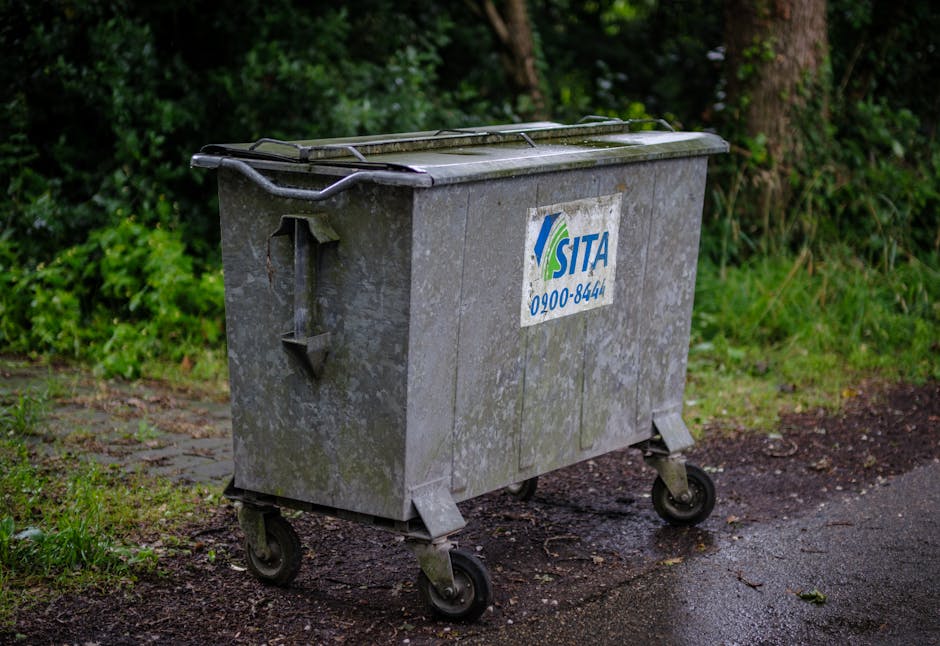
If you live near Mitcham Junction and you are trying to get rid of a growing pile of rubbish, you are probably after something simple: a reliable, local way to clear waste without wasting half your day figuring it all out. The good news is that Mitcham Junction rubbish collection options for CR4 residents are fairly flexible, whether you are clearing a flat, tackling a garden reset, or dealing with builder's waste after a renovation.
The tricky part is choosing the right method. A full skip is not always the smartest answer. Sometimes a wait-and-load service is better, sometimes a man-and-van collection makes more sense, and sometimes a proper skip hire setup is the most cost-effective route. This guide walks through the practical differences, the situations each option suits best, and the little details people often miss until the lorry is already outside and the clock is ticking.
Why Mitcham Junction rubbish collection options for CR4 residents Matters
Mitcham Junction sits in that awkward-but-familiar London zone where homes, side streets, driveways, access roads, and busier routes all meet. That matters because waste removal is never just about "getting rid of stuff". It is about access, timing, safety, parking, volume, and what kind of rubbish you actually have.
For CR4 residents, the right collection method can save time, prevent extra charges, and avoid the headache of having waste sit around for another week. To be fair, nobody wants black bags stacked in a hallway or rubble piled against a fence while waiting for a convenient day. It gets in the way fast.
It also matters because not all waste is equal. Garden cuttings, household clutter, broken furniture, old appliances, and builder's rubble all behave differently. Some are easy to load. Some are heavy. Some can't simply be mixed together. Picking the right service helps you stay efficient and, just as importantly, dispose of waste responsibly.
In a busy area like CR4, that responsibility includes keeping pathways clear, protecting neighbours from nuisance, and planning around the practical realities of local access. The right collection choice feels almost invisible when it works well. That is usually the sign you picked the right one.
How Mitcham Junction rubbish collection options for CR4 residents Works
Most rubbish collection services follow the same broad pattern: you identify the waste, choose a suitable collection method, arrange a time, and have the waste removed for sorting, recycling, or disposal. The difference is in how much you want to do yourself.
If you choose a skip, it is normally delivered and left on-site for a period of time. That is ideal for projects that produce waste over several days. If you choose wait and load skip hire, the vehicle arrives, you load quickly, and the waste goes away straight after. That works well where parking or space is tight. And if you prefer a team to remove waste for you, rubbish removal or a man and van collection can be the easiest option.
For heavier or loose material, a grab hire service can be a practical middle ground, especially when you have soil, rubble, or mixed bulky waste that would be a nuisance to shovel into bags by hand. In the building trade, options like builders skip hire and builders waste removal tend to be the first consideration because the waste is usually bulky and regular.
The main job on your side is accuracy. Be clear about what you have, where it is located, how much there is, and whether access is straightforward. A five-minute conversation can prevent a frustrating collection day. Sometimes the issue is not the rubbish at all. It is the gate width, the parked cars, or the awkward basement stairs. Small details, big difference.
Key Benefits and Practical Advantages
The best rubbish collection option is not necessarily the cheapest on paper. It is the one that fits your site, your waste type, and your timetable without extra hassle. That is where the value really shows.
- Less disruption: the right method keeps your home, garden, or worksite usable while the waste is being cleared.
- Better cost control: choosing the correct size and service avoids unnecessary returns, overfilling, or wasted labour.
- Faster clearance: same-day or short-notice options can be useful when the clutter is blocking access or work.
- Improved safety: loose waste, broken glass, nails, and heavy objects are easier to manage when handled professionally.
- Cleaner recycling outcomes: separating waste properly gives recyclers a better chance to recover materials.
For many CR4 households, the biggest benefit is simply peace of mind. Once you know the collection is booked and the waste is on its way, the whole place feels calmer. You notice the floor again. You can walk through the garden without sidestepping bags. It sounds small, but it really does make a difference.
If you want a clearer sense of what can and cannot go in a container, it is worth checking what can go in a skip before you book. That one step often saves a lot of back-and-forth later.
Who This Is For and When It Makes Sense
These rubbish collection options are useful for a wide range of CR4 residents and local property owners. The obvious use case is a one-off clear-out, but there are plenty of others.
Householders might need help after a loft clear, a move, a spring clean, or a kitchen rip-out. In those situations, domestic skip hire can be a solid fit if the waste is steady and there is room outside. If the clutter has built up across multiple rooms, a structured house clearance can be easier than loading everything one bag at a time.
Gardeners and homeowners often lean towards garden waste removal, especially after hedge cutting, turf lifting, or a patio tidy-up. Garden waste looks innocent enough, then suddenly there are ten bags of branches and a pile of roots that feel far heavier than they should.
Renovators and trades tend to need faster, more flexible disposal. That is where a builders' skip, grab lorry, or same-day collection can be useful. If access is poor or the project is small but messy, a same day skip hire option may be worth considering.
Small businesses and offices may need a cleaner, more discreet solution for office furniture, paperwork, and equipment. In those cases, office clearance and confidential shredding are often more suitable than a standard mixed-waste collection.
If your rubbish includes fridges, sofas, mattresses, or awkward appliances, there are purpose-built services too. The point is simple: match the service to the mess, not the other way round.
Step-by-Step Guidance
- Identify the waste type. Separate household rubbish, wood, metal, garden waste, rubble, appliances, and anything hazardous. This makes the rest of the process much smoother.
- Estimate the volume. A few bin bags is very different from a full room of junk. If in doubt, overestimate slightly rather than booking too small.
- Check access. Measure gates, paths, and any narrow points. Think about where a vehicle can stop without causing trouble for neighbours.
- Choose the collection method. For ongoing projects, a skip may be best. For restricted access, consider wait-and-load or grab hire. For cluttered homes, man and van or rubbish removal may be easier.
- Review restricted items. Some materials require special handling. Hazardous items, batteries, paint, gas bottles, and electrical waste may need separate arrangements.
- Confirm the timing. Pick a day and time that gives you enough space to prepare, but not so much time that the rubbish grows again. It happens. Easily.
- Load safely and logically. Put heavier items first if you are loading a skip yourself. Keep sharp or awkward materials controlled and stable.
- Keep paperwork and receipts. For business or compliance reasons, you may want a record of collection and disposal arrangements.
A helpful habit is to work backwards from collection day. If the lorry is coming at 10am, you should not still be moving boxes at 9:55. Leave a buffer. Future-you will be grateful.
Expert Tips for Better Results
After enough waste clearances, a few patterns become obvious. Small planning decisions save the most time.
- Flatten bulky items before collection. Break down cardboard, remove table legs if possible, and collapse lightweight packaging.
- Keep mixed waste under control. If you can separate clean wood, green waste, and general rubbish, recycling is usually easier.
- Use bags or tubs for loose small items. Screws, plaster chunks, and broken tiles vanish into corners and slow everything down.
- Take photos before booking. A few quick images help the provider judge size and access more accurately.
- Plan for weather. A damp Tuesday morning in London can change the feel of a collection job completely. Wet cardboard and soggy garden waste are heavier than people expect.
If your project involves debris from construction or demolition, look at options like construction waste disposal and demolition waste removal rather than trying to force everything into a general domestic setup. It is usually cleaner, quicker, and less frustrating.
One more practical tip: if you know parking is unpredictable in your street, do not leave the booking to the last second. A collection can be perfectly organised and still become awkward if a van cannot stop safely outside. London, eh? It keeps you honest.
Common Mistakes to Avoid
Most collection problems are not dramatic. They are small oversights that snowball. Fortunately, most are easy to avoid.
- Booking the wrong service for the waste type. A garden clearance, builder's rubble, and office furniture do not need the same approach.
- Underestimating volume. This is a classic one. A little pile becomes a lot very quickly.
- Ignoring access issues. If the vehicle cannot reach the waste safely, the collection becomes slower or more expensive.
- Mixing prohibited items in with general rubbish. This can create delays and extra handling.
- Forgetting permit needs. If you are thinking about a skip on the road, make sure you understand the permit side first. See skip hire permits and skip permits for the relevant service information.
- Leaving the sort-out until the collection morning. That is how useful items get mixed with waste and how the day starts feeling rushed.
Another mistake is assuming every item can simply go together because "it's all rubbish anyway". Not really. Waste is regulated and processed in different streams, and separating it sensibly can help everyone involved.
Tools, Resources and Recommendations
You do not need fancy software or special equipment to organise a decent waste collection, but a few simple tools help a lot.
- Measuring tape: useful for checking access, skip space, or the size of larger furniture.
- Phone camera: ideal for capturing the waste pile from a few angles before you book.
- Basic gloves and sturdy shoes: practical for sorting sharp or dusty items.
- Marker pen and labels: handy for separating keep, donate, recycle, and remove.
- Tarpaulin or sheet: useful if rubbish is outside and you want to keep it dry before collection.
For more service-specific guidance, you may find these pages useful: skip hire for standard container-based collection, skip sizes and prices for choosing the right scale, and pricing and quotes when you want a clearer commercial picture before deciding.
If waste reuse and recovery matter to you, it is also sensible to read about recycling and sustainability. Even a routine clear-out can be handled in a more thoughtful way. Not perfect. Just better.
Law, Compliance, Standards, or Best Practice
Waste collection in the UK sits inside a framework of care, duty, and responsible handling. You do not need to become an expert in environmental law to book rubbish collection, but you should expect the waste carrier to operate properly and handle materials lawfully.
For residents, the main practical point is straightforward: do not hand waste to someone who cannot explain where it is going or how it will be managed. Good operators should be clear about what they take, what they cannot take, and how they separate materials where relevant. That is especially important for anything that might be hazardous, bulky, electrical, or confidential.
Best practice also means keeping the collection site safe. Paths should be clear, sharp objects should be controlled, and anything that could fall or spill should be packaged sensibly. If you are disposing of items like appliances, mattresses, or sofas, use dedicated services such as fridge and appliance removal and mattress and sofa disposal where appropriate.
There is also a strong common-sense rule here: hazardous materials need special handling. Paints, solvents, asbestos-related waste, gas cylinders, and similar items should never be treated as ordinary rubbish. If you are unsure, ask before loading. Better one question too many than one messy mistake.
For business or larger site work, it can help to choose services with clear policies around health and safety, insurance and safety, and overall operating standards. Those details are not exciting, granted. But they matter when something heavy is being lifted in a tight space.
Options, Methods, or Comparison Table
Here is a simple way to compare the main rubbish collection choices for CR4 residents near Mitcham Junction.
| Option | Best for | Strengths | Potential drawbacks |
|---|---|---|---|
| Skip hire | Ongoing projects, bulky mixed waste, DIY renovations | Flexible loading window, good for larger volumes, often cost-effective | Needs space, may require a permit, waste must be loaded yourself |
| Wait-and-load | Tight streets, no on-site storage, quick clear-outs | No skip left behind, useful where parking is difficult | Time pressure during loading, less suited to long projects |
| Rubbish removal | General household clutter, bulky items, mixed loads | Minimal lifting for the customer, simple and tidy | Can be less economical for very large volumes |
| Man and van | Smaller loads, flexible collections, quick local jobs | Handy for awkward access and lighter volumes | Not ideal for heavy construction waste or large clearances |
| Grab hire | Soil, hardcore, rubble, large loose material | Fast loading for heavy material, efficient for sites | Needs space for the vehicle arm and access planning |
If you are undecided, think about three questions: how much waste there is, how quickly you need it gone, and whether you have room for a container or vehicle. That usually narrows it down very fast.
Case Study or Real-World Example
Take a typical CR4 scenario: a couple living near Mitcham Junction decide to clear out a spare room, remove an old wardrobe, and shift a few bags from the loft before decorating. At first glance, it looks like a small job. Then the boxes appear, the broken chair reappears from the back of the cupboard, and the pile gets bigger by the hour.
They consider a skip, but parking is tight and the road is busy at school run time. In the end, they choose a combination of a small load collection and a targeted furniture removal service. The team arrives, loads quickly, and clears the room without leaving a container outside for days. That suits the property, the access, and the amount of waste. Simple, really.
Another example: a small builder completing a bathroom refurbishment in CR4 needs to remove tile debris, old boards, and packaging. A general household collection would be clumsy, but a builder-focused service makes more sense. If the pile sits on a driveway with room to spare, a skip may work well. If access is limited, grab hire or wait-and-load may be the better call.
The lesson is not that one option wins every time. It is that the right choice depends on the job in front of you, not the job you imagined at the start. That happens more often than people expect.
Practical Checklist
Use this quick checklist before you book any collection:
- Have I identified the main type of waste?
- Do I know roughly how much there is?
- Is access clear for a vehicle or container?
- Do I need a permit or street placement advice?
- Are there any hazardous or restricted items mixed in?
- Do I need a same-day or timed collection?
- Would skip hire, wait-and-load, grab hire, or man and van suit this job best?
- Have I checked whether appliances, furniture, or confidential material need separate handling?
- Is there enough time to sort and separate items properly before pickup?
- Have I read the provider's terms, payment, and safety information?
If you want to prepare properly, it also helps to review the provider's terms and conditions, payment and security, and book online process before you commit. Nothing glamorous there, but it keeps the day smooth.
Get a free quote today and see how much you can save.
Conclusion
For CR4 residents near Mitcham Junction, the best rubbish collection option is the one that fits the real-world shape of the job. Big project, small space, awkward access, mixed materials, time pressure - each of those points nudges the decision a bit differently.
If you have room and time, skip hire can be excellent. If you need speed and no on-site clutter, wait-and-load or rubbish removal may be more practical. If the waste is heavy, loose, or site-based, grab hire can save a lot of back strain. And for lighter, cluttered, or domestic clear-outs, a man and van service is often the simplest route.
Truth be told, the best results usually come from a clear description, a realistic estimate, and a provider that understands local access. Get those three things right and the rest tends to fall into place. A tidy property, a clear path, no drama. That is what most people want, and fair enough too.
Frequently Asked Questions
What are the main Mitcham Junction rubbish collection options for CR4 residents?
The main choices are skip hire, wait-and-load collections, grab hire, man and van services, and direct rubbish removal. The best option depends on waste type, access, and how quickly you want the rubbish gone.
Is skip hire always the cheapest option?
Not always. Skip hire can be cost-effective for larger jobs, but smaller clearances may work out better with rubbish removal or man and van. The cheapest option is usually the one that matches the job size properly.
Do I need a permit for a skip near Mitcham Junction?
If the skip needs to go on a public road, a permit may be needed. If it can stay on private land such as a driveway, that may avoid the need. The exact position matters, so it is worth checking before booking.
Which option is best if parking is difficult in CR4?
Wait-and-load or grab hire is often a strong choice where parking is tight. Those options reduce the need to leave a container on the street and can work better on busy local roads.
Can I mix garden waste with general household rubbish?
Sometimes yes, but it is better to separate waste where possible. Garden waste, clean timber, and general rubbish are often handled more efficiently when kept distinct. It can help with recycling too.
What should I do with fridges, sofas, and mattresses?
Use dedicated collection services for bulky items such as appliances, sofas, and mattresses. That keeps the process cleaner and avoids trying to force awkward items into the wrong disposal route.
How do I know which skip size I need?
Start with the amount and type of waste, then compare it against the job. A small clear-out may only need a compact skip, while DIY works or renovations usually need something larger. If you are between sizes, it is wise to ask for guidance rather than guessing.
Is same-day rubbish collection available in CR4?
It can be, depending on availability and the type of waste. Same-day options are usually most useful for urgent clearances, access issues, or jobs that cannot wait until later in the week.
What waste cannot go in a normal household collection?
Hazardous materials, certain chemicals, and some specialist items should not be treated as ordinary rubbish. If you are unsure about something, ask first. That is the safest approach and usually the most efficient one too.
What is the difference between grab hire and skip hire?
Grab hire uses a lorry with a mechanical arm to pick up loose waste, while skip hire leaves a container on-site for you to fill over time. Grab hire is usually better for soil or rubble, while skips suit longer projects and mixed waste.
Can businesses in Mitcham Junction use these collection options too?
Yes. Offices, shops, landlords, and contractors often use the same core services, but they may need more careful scheduling, clearer paperwork, or dedicated clearance services such as office clearance or commercial skip hire.
How can I keep costs under control?
Choose the right service, estimate accurately, separate waste where possible, and prepare the site before collection day. Small mistakes like underestimating the volume or booking the wrong method are what usually push costs up.
Where should I start if I am still unsure?
Start by identifying the waste type and access conditions. Then compare skip hire, wait-and-load, grab hire, and rubbish removal against your own situation. If that still feels unclear, it is usually better to ask for tailored guidance than to make a rushed choice.