Merton Council rules for bulky rubbish collection in Mitcham: what residents need to know
If you live in Mitcham and you've got a sofa stuck in the hallway, a mattress leaning against the wall, or a fridge that's been humming away for far too long, you're probably looking for a simple answer to one question: what are the Merton Council rules for bulky rubbish collection in Mitcham? Fair enough. Bulky waste is one of those jobs that feels easy until you actually start moving the item down the stairs.
This guide breaks the process down in plain English. You'll learn how bulky collections generally work in Merton, what kinds of items are usually dealt with through council services, when a private removal option may make more sense, and how to avoid the common slip-ups that can delay the whole thing. There's also a practical checklist, a comparison table, and a few real-world tips from the sort of situations people in CR4 run into all the time.
Quick practical note: council rules can change, and bulky waste bookings often depend on item type, access, and collection availability. Always check the latest local guidance before you book. That sounds obvious, but it saves a lot of back-and-forth later.
Why Merton Council rules for bulky rubbish collection in Mitcham Matters
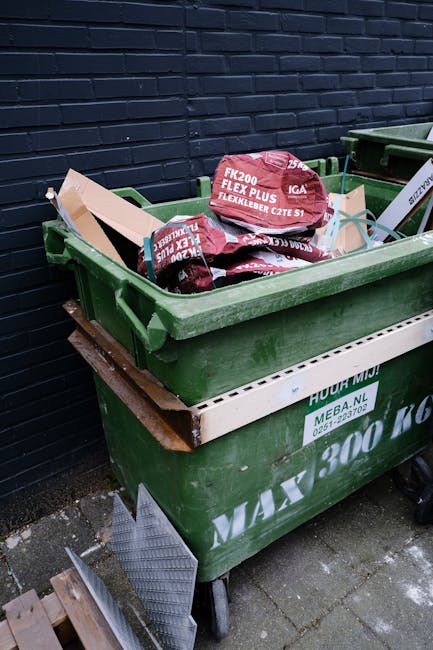
Bulky rubbish is not the same as putting out your weekly bins. It usually means large, awkward, or heavy household items that won't fit into normal refuse containers. Think wardrobes, desks, broken washing machines, old beds, or a sofa that has seen better days. In a place like Mitcham, where many homes have tight front paths, shared access, terraced layouts, and stair-heavy flats, the details matter. A collection that seems straightforward on paper can become a headache if you don't follow the right rules.
The council rules matter for three reasons.
First, they help make the collection safe. Large items can cause injury if they are left in the wrong place, blocked in by cars, or packed with prohibited materials. Even a small mistake can turn a simple pick-up into a missed collection.
Second, they help keep costs and expectations clear. Council collection services often have limits on the number of items, what can be collected, and how items must be presented. If you know the rules beforehand, you avoid paying for a slot that doesn't match your needs.
Third, they reduce fly-tipping and dumped furniture. Let's face it, when people are unsure what to do with a bulky item, it often ends up sitting by a wall "just for now." That temporary arrangement can quickly become a nuisance, especially if rain soaks into a mattress or a fridge is left where it shouldn't be. A proper collection keeps your street tidier and helps avoid complaints from neighbours.
There's also a practical local angle. Mitcham households often need a disposal plan that works around work hours, school runs, parking restrictions, and shared entrances. So it's not just about what can be collected. It's about how and when it can be done without creating more hassle than the item itself caused.
Expert summary: The smartest approach is to treat bulky waste as a planned job, not a last-minute dump. Check the accepted item types, prep the items properly, and choose the method that fits your property access and timeline.
How Merton Council rules for bulky rubbish collection in Mitcham Works
Most council bulky waste services follow a similar structure, even if the exact rules vary by borough. In practice, you usually book a collection in advance, describe the items, and follow instructions for where to place them. The council then arranges a set day for collection. Simple enough. The catch is in the detail.
For bulky rubbish in Mitcham, the process usually depends on a few key factors:
- Item type: Furniture, white goods, and general household bulky waste are often accepted, but hazardous or specialist items may need separate treatment.
- Quantity: Councils commonly limit how many large items can be collected in one booking.
- Access: If the crew cannot safely reach the items, the collection may not be completed.
- Presentation: Items often need to be left in an agreed location, typically outside the property boundary or in a place that does not block public access.
- Payment or eligibility: Some councils charge a fee, while certain items or circumstances may have specific rules.
It also helps to remember that bulky collection is not a general clear-out service. If you have a mix of furniture, bags of mixed household waste, old DIY materials, and a few odds and ends from the shed, the council may treat each category differently. That's where people get caught out. A collection meant for a wardrobe does not automatically mean it will take away half the garage.
If your items are more varied, services such as house clearance or rubbish removal may be more practical than trying to squeeze everything into a council bulky booking. And if you only need a few awkward items dealt with quickly, something like man and van disposal can sometimes be easier to schedule around real life. Real life, as ever, gets in the way.
One more thing: if the item is heavy, awkward, or contains refrigerant, batteries, or other components that need specialist handling, do not assume it can go out with standard bulky waste. White goods and mixed-material items often need extra care.
Key Benefits and Practical Advantages
Following the correct bulky collection route has a few clear advantages, and they're not just about avoiding trouble. The right process can save time, protect your property, and make the whole thing less annoying than it first looks.
- Less physical strain: You do not need to drag heavy furniture to a tip yourself.
- Cleaner kerbside presentation: Properly arranged items are less likely to annoy neighbours or attract complaints.
- Lower risk of damage: Moving a sofa through a narrow hallway at an awkward angle is where chipped paint and scratched walls happen.
- Better sorting of waste streams: Furniture, mattresses, appliances, and mixed rubbish can be handled in the most suitable way.
- More predictable planning: A booked collection gives you a set date rather than an open-ended "we'll get round to it" feeling.
There is also a hidden benefit: once you know how bulky collections work, you start making better decisions about storage and disposal. You become less likely to let broken items pile up in the shed "until later." Later has a funny way of becoming next year.
For homes with regular waste management needs, it can also help to compare bulky collections with alternatives such as domestic skip hire or wait and load skip hire. Not every job needs a skip, of course, but sometimes a bigger project is cheaper and smoother that way.
Who This Is For and When It Makes Sense
This topic is relevant to a lot more people than you might think. Bulky waste collection in Mitcham is not just for tenants clearing out after a move. It's for anyone dealing with large items that are too awkward for normal bin collections.
You may need it if you are:
- replacing a sofa, bed, mattress, or wardrobe
- clearing a spare room, loft, garage, or garden store
- getting rid of old white goods such as washing machines or fridges
- preparing a rental property for new occupants
- supporting an elderly relative with downsizing
- managing post-renovation clutter that includes bulky household items
It also makes sense if you live in a property with limited access. A top-floor flat, for example, can make moving furniture out far more difficult than simply booking a collection and hoping for the best. If the item cannot be safely carried through the route, you may need help from a service that includes loading or removal from inside the property.
For bigger clear-outs, a service such as garage and loft clearance or site clearance may be more suitable. And if the item is a mattress or old sofa, dedicated mattress and sofa disposal can be far easier than trying to shoehorn it into a general collection. No one enjoys wrestling a double mattress down the stairs at 8 a.m., truth be told.
Step-by-Step Guidance
If you want a smooth result, the best thing is to work through the job in order. Here's a practical way to approach it.
- Identify exactly what needs removing. Write down each item. Be specific. A "chair" and a "three-seater sofa" are not the same, and the council may care about the difference.
- Separate bulky items from ordinary waste. A bag of clothes, some broken toys, and a dining table should not be treated as one mixed pile. Keep categories clear.
- Check whether anything is restricted. Hazardous or specialist materials may need separate disposal. If you are unsure, err on the cautious side.
- Measure the access route. Doorways, stairwells, shared halls, narrow side passages, and parking restrictions can affect whether the collection is feasible.
- Book the appropriate service. If the items are few and straightforward, a council bulky collection may work well. If there are several items or urgent timing needs, compare that with other options.
- Prepare the items properly. Empty drawers, remove loose contents, and make items easy to lift where possible. If something comes apart safely, that can help too.
- Place items exactly where instructed. Do not block pavements or communal access. This is one of those tiny details that becomes a giant problem if ignored.
- Keep an eye on collection day. If the service requires access confirmation or timing windows, make sure someone is available.
If the job starts sounding larger than expected, pause and reassess. A handful of items can turn into half a room very quickly. You know how it goes. One broken chair becomes a bag of cushions, then a chest of drawers, then the old freezer you forgot was still in the shed.
Expert Tips for Better Results
After dealing with enough bulky waste situations, a few patterns show up again and again. The people who have the easiest time are usually the ones who prepare before collection day. Nothing fancy, just sensible planning.
Tip 1: Do a room-by-room sweep before you book. That way you don't forget the item that is hiding in the corner. It's always the one you remember after the collection slot is gone.
Tip 2: Group similar items together. Furniture with furniture, appliances with appliances, and so on. This makes quoting, booking, and collection smoother.
Tip 3: Keep an eye on weather and access. A wet mattress or a muddy driveway can make handling harder. In winter, an early collection can feel twice as fiddly when the pavement is slick and the daylight is thin.
Tip 4: Take photos if you are comparing services. A quick set of pictures helps anyone estimate the scope more accurately. It is not glamorous, but it works.
Tip 5: Don't wait until the last possible day. If you are moving house, replacing furniture, or clearing a rental property, book earlier than feels necessary. The buffer is worth it.
Tip 6: Consider whether the items could be reused. Some furniture, if still in decent condition, may be more suitable for reuse than disposal. Even if not, making a conscious decision about it helps avoid knee-jerk dumping.
Tip 7: Be realistic about lifting. An item that looks manageable in the living room can become a totally different beast when you reach the landing. That's just the truth of it.
For bigger jobs, options such as skip hire or grab lorry hire may be worth comparing, especially if you have mixed waste or a lot of volume. If access is tight, a same-day skip hire arrangement can sometimes help, although availability naturally depends on timing.
Common Mistakes to Avoid
Most bulky waste problems come from a small list of avoidable mistakes. The good news is, once you know them, they're easy enough to dodge.
- Leaving items in the wrong place: A collection crew may not pick up items from inside a property unless that has been arranged.
- Mixing restricted items with standard bulky waste: A single unsuitable item can cause the whole collection to be delayed or refused.
- Overfilling the booking: Trying to sneak in extra items is a classic mistake. It often backfires.
- Ignoring access problems: If the path is blocked by cars, bins, or garden waste, the crew may not be able to reach the load safely.
- Forgetting disassembly: A table that could have been partially taken apart may take up too much room as one piece.
- Not checking local instructions: Every council has its own limits and procedures. Assuming they all work the same is where people get caught out.
There's another subtle mistake too: treating bulky waste like a one-size-fits-all service. It isn't. A mattress, a garden bench, and a broken fridge each have different handling needs. The cleaner the separation, the better the result.
Tools, Resources and Recommendations
You do not need special equipment to manage bulky waste well, but a few simple tools make the process easier.
- Tape measure: Useful for checking whether items can pass through doorways or down stairs.
- Marker pen and labels: Handy if you are sorting items for disposal, reuse, or donation.
- Work gloves: Good for handling rough edges, splinters, and dust.
- Blanket or cardboard sheets: Useful for protecting walls and floors while moving furniture.
- Phone camera: Helpful for taking item photos before booking.
- Strong bags or boxes: Useful for loose fixings, screws, and drawer contents.
From a service perspective, it helps to compare council collection with private removal choices before you decide. If you want a more flexible option, the pages on pricing and quotes and book online can be useful starting points when planning a collection. And if your load includes mixed recyclable material, it is worth considering waste recycling services so more of it can be handled responsibly.
Useful rule of thumb: if you're hesitating between "this is a small bulky item job" and "this is basically a clear-out," it may already be the second one.
Law, Compliance, Standards, or Best Practice
Bulky waste disposal in the UK sits inside a broader framework of waste duty of care and local authority rules. You do not need to become a compliance expert to get rid of an old sofa, but you do need to be sensible about how waste is stored, presented, and transferred.
Best practice usually includes:
- making sure waste is not left in a place that creates an obstruction or hazard
- not placing items out for collection unless you are allowed to do so
- keeping restricted materials separate
- using a legitimate collection route rather than informal dumping
- checking whether a skip, permit, or specialist treatment is needed for larger or mixed loads
If you are using a skip for a larger job, permit rules may apply depending on where it will sit. That is one reason people look into skip hire permits or skip permits before booking. The exact permit situation depends on location and placement, so do not assume a roadside skip is automatically fine.
There is also a safety side to this. Heavy lifting can cause injuries, and awkward furniture can damage walls, doors, and floors. If you are dealing with sharp metal edges, broken glass, or damp items that may carry mould, take care. In some cases it is better to hand the job over than to "have a go" and regret it by lunchtime.
For households and landlords alike, the sensible standard is simple: dispose of bulky waste in a way that is legal, safe, and traceable. That is the benchmark. No drama, just good practice.
Options, Methods, or Comparison Table
If you are deciding how to clear bulky rubbish in Mitcham, it helps to compare the main options side by side. The best choice depends on volume, access, speed, and whether the waste is straightforward or mixed.
| Method | Best for | Pros | Watch-outs |
|---|---|---|---|
| Council bulky collection | 1-a few large household items | Simple, local, convenient | Limits on item types, quantity, and presentation |
| Skip hire | Clear-outs, renovations, mixed loads | Good for volume and staged loading | Space needed, possible permit requirement |
| Wait and load | Properties with limited space or parking issues | No skip left on the road, often efficient | Requires everything ready at once |
| Man and van | Smaller removals, single-room clearances | Flexible, often easier for awkward items | May be less suitable for very large volumes |
| Grab lorry hire | Large piles of bulky waste, heavy mixed material | Fast loading and strong capacity | Needs access room for the vehicle |
For furniture-heavy jobs, a dedicated service such as fridge and appliance removal or builders waste removal may also be a better fit than a generic bulky booking. If the waste is from a refurbishment, construction waste disposal or construction waste clearance may line up more closely with the job in front of you.
To be fair, the "best" method is often the one that matches your property access as much as the rubbish itself. A service can look ideal on paper and still be a pain if your front path is narrow and you have nowhere to leave a skip.
Case Study or Real-World Example
Here's a very ordinary kind of Mitcham scenario. A couple are moving out of a two-bedroom flat near a busy road. They have an old sofa, a double mattress, a broken coffee table, and a fridge they have already replaced. The sofa is awkward but not huge. The mattress is bulky, obviously. The fridge is the problem item because it is heavy, hard to grip, and needs careful handling.
At first, they think a council bulky collection will cover everything. After checking the item list and access route, they realise the furniture is fine, but the fridge may need a separate disposal approach. The flat also has a narrow stairwell, and the road outside has limited stopping space in the morning. That changes the plan quite a bit.
They compare three routes: a council collection for the straightforward items, a small private removal for the fridge, and a skip for miscellaneous moving waste. In the end, they choose a single flexible removal service that can take the lot, because it removes the need to split everything into multiple bookings and manage different collection dates. It costs more than the most basic option, yes, but it saves time, avoids stairway stress, and means they are not gambling on a delivery van blocking the street at the wrong moment.
That is the real lesson. The right answer is not always the cheapest headline option. It is the one that fits the access, the volume, the item types, and the deadline without turning your week into a logistics puzzle.
Practical Checklist
Use this checklist before you book or place any bulky item out for collection.
- Confirm what items need removing
- Separate bulky waste from general rubbish
- Check whether any item is restricted or hazardous
- Measure doors, stairs, and access points
- Decide whether the council service is suitable
- Compare private alternatives for mixed or urgent loads
- Prepare the items by emptying and, if safe, disassembling them
- Place items only where instructed
- Leave clear access for the collection team
- Keep booking details, dates, and any reference numbers handy
- Take photos if you need a record of the load
- Have a backup plan if the service cannot collect everything in one go
If that list feels slightly fussy, that is because bulky waste usually gets fussy the moment you ignore one small detail. Better to spend ten minutes checking than a whole afternoon rearranging your hallway.
Conclusion
Merton Council rules for bulky rubbish collection in Mitcham are really about one thing: making sure large household items are removed safely, legally, and without unnecessary stress. Once you understand the limits on item types, quantity, access, and presentation, the whole process becomes much easier to manage. And if your situation is more complicated than a simple sofa collection, you now know when it makes sense to look at alternatives such as skip hire, man and van removal, or a more tailored clearance service.
The strongest approach is always the same: identify the items clearly, check the rules, choose the right method, and prepare properly. That keeps costs sensible and avoids those frustrating "sorry, we couldn't collect" moments that nobody wants on a busy weekday.
Get a free quote today and see how much you can save.
Sometimes the difference between a stressful clear-out and a smooth one is just a little planning. Do that, and the rest tends to fall into place.
Frequently Asked Questions
What counts as bulky rubbish in Mitcham?
Bulky rubbish usually means large household items that do not fit into standard wheelie bins or normal refuse collections. Common examples include sofas, mattresses, wardrobes, tables, and some white goods. The exact list can vary, so it is always worth checking what your chosen service accepts.
Can I leave bulky items on the pavement for collection?
Only if the collection service instructs you to do so. Items left in the wrong place can cause a blockage or create a safety issue. In many cases, they need to be positioned in a specific spot outside your property boundary or in another agreed location.
Does Merton Council collect fridges and freezers?
Some bulky collection services can handle white goods, but fridges and freezers often need extra care because they may contain refrigerants and other components. Check the local rules before booking, because these items are not always treated the same as furniture.
How many bulky items can I book at once?
That depends on the service and the council's current rules. Many services place a limit on item numbers or total volume. If you have several rooms' worth of items, a bulk clearance or skip-based option may be more appropriate.
Is bulky rubbish collection free in Mitcham?
Not always. Some council services charge a fee, and private removal services will usually quote based on item type, volume, and access. It is best to check current pricing before you book so you do not get caught off guard.
What if I live in a flat with narrow stairs?
That is one of the main reasons to plan carefully. Narrow stairs and shared entrances can make collection more difficult, especially for large items like mattresses or wardrobes. In those cases, a service with indoor collection or full removal support may be easier.
Can I put bagged rubbish out with my bulky items?
Usually not unless the collection specifically allows mixed waste. Bulky item services are often designed for large objects, not general household rubbish. Keep bags, loose waste, and furniture separate until you know what the service will take.
What should I do with a broken sofa or mattress?
A broken sofa or mattress is often best handled through a dedicated disposal route rather than left outside indefinitely. If the item is dry, accessible, and accepted under the rules, bulky collection may work. If not, a specialised furniture disposal service may be the better choice.
How far in advance should I book?
As early as possible, especially if you are moving house, clearing a rental, or working to a deadline. Collection slots can fill up quickly, and access issues are easier to solve when you have time on your side.
What happens if the crew cannot collect my items?
If items are inaccessible, unsafe, or not permitted under the service rules, the collection may be delayed or refused. That is why it helps to measure access, separate waste types, and follow the placement instructions carefully. A little prep goes a long way.
Is skip hire better than council bulky waste collection?
It depends on the job. For one or two items, a council collection may be enough. For larger clear-outs, renovation waste, or mixed materials, skip hire can be more practical. The best choice is the one that matches the volume and access at your property.
Can I reuse or donate some bulky items instead of throwing them away?
Yes, if the item is still in usable condition. Reuse is often the better option for furniture and other household items that are clean and structurally sound. That said, not every worn item is suitable, so make a practical judgement rather than a hopeful one.
What is the easiest option for urgent bulky rubbish removal?
If time is tight, flexible private removal may be easier than waiting for a standard council slot. Options like same-day skip hire, man and van removal, or wait and load services can be useful when you need the job done quickly and access is manageable.